

New Delhi, June 05: As tensions continue to escalate in the Middle East, India finds itself among the world’s most exposed major economies due to its heavy reliance on energy imports routed through the strategically vital Strait of Hormuz.
According to an analysis published by the Centre for Peace Studies (CPS), any prolonged disruption in the region could have far-reaching consequences for India’s energy security, trade balance, industrial production, and economic growth ambitions.
India’s Heavy Dependence on the Strait of Hormuz
The Strait of Hormuz remains one of the world’s most critical energy chokepoints, connecting Gulf oil and gas producers with global markets.
India’s dependence on the route is substantial:
- Around 50% of India’s crude oil imports, equivalent to approximately 2.5–2.7 million barrels per day, pass through the strait.
- Nearly 68% of Liquefied Natural Gas (LNG) imports transit the waterway.
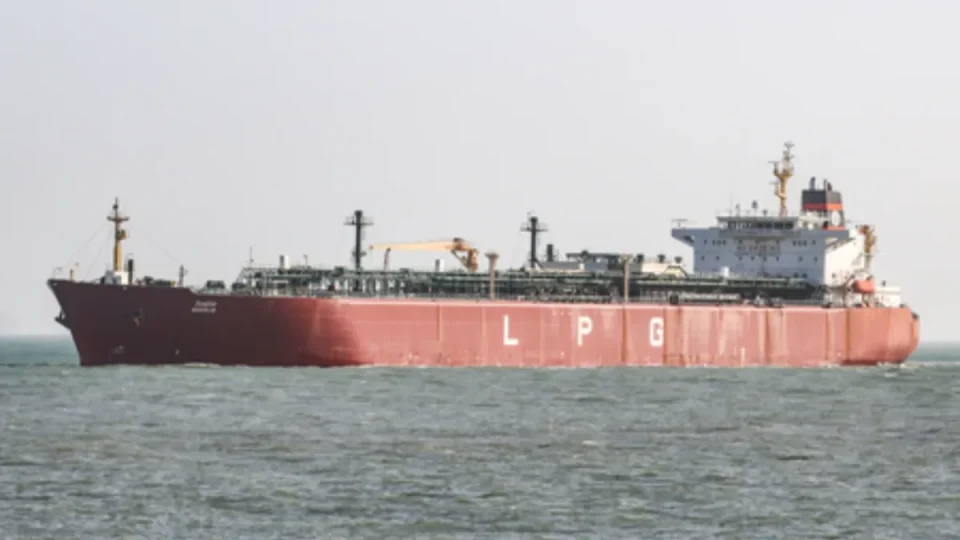
- More than 85% of Liquefied Petroleum Gas (LPG) supplies also move through the corridor.
Any disruption to shipping traffic in the region could directly impact fuel availability, power generation, fertiliser production, and household energy consumption across India.
India Pursues Active Diplomacy With Iran
The report notes that India has actively engaged in diplomatic efforts to safeguard its strategic interests amid growing regional uncertainty.
According to the analysis, sustained engagement between External Affairs Minister S. Jaishankar and Iranian Foreign Minister Abbas Araghchi helped secure safe passage for Indian-flagged vessels through the Strait of Hormuz.
Several vessels, including Shivalik Nanda, Devi, Piramal, and Pushpak, have reportedly transited the crucial maritime route without disruption following diplomatic consultations.
The development highlights India’s efforts to maintain open communication channels with all stakeholders in the region while protecting critical energy supplies.
Strategic Petroleum Reserves Provide Temporary Cushion
The report suggests that India’s strategic petroleum reserves offer a limited buffer against supply disruptions.
Emergency crude reserves maintained at storage facilities in:
- Visakhapatnam
- Mangaluru
- Padur
could support national requirements for approximately 10 days under emergency usage scenarios.
Combined with commercial inventories, total available storage could potentially sustain supplies for up to 74 days, providing temporary protection against prolonged disruptions.
Iran Remains Important for India’s Strategic Interests
Beyond energy, Iran plays a significant role in India’s regional connectivity and geopolitical strategy.
India has invested heavily in the Chabahar Port project, which serves as a gateway to Central Asia and Afghanistan.
The report notes that Iran is also central to the proposed International North-South Transport Corridor (INSTC), a trade route designed to enhance connectivity between India, Central Asia, Russia, and Europe.
The corridor is viewed as an important strategic alternative to China’s Belt and Road Initiative.
Rising Oil Prices Could Impact India’s Economy
The analysis warns that higher crude oil prices could have a ripple effect across multiple sectors of the Indian economy.
With benchmark Brent crude reportedly crossing the $100-per-barrel mark, businesses could face:
- Higher transportation costs
- Increased manufacturing expenses
- Rising logistics and supply chain costs
- Pressure on corporate profit margins
- Increased import bills
- A wider trade deficit
These developments could contribute to inflationary pressures and affect consumer spending.
Remittances and Aviation Sector Also at Risk
The report highlights concerns regarding India’s large overseas workforce in the Gulf region.
More than nine million Indians live and work in Gulf countries, sending billions of dollars in remittances back home annually.
If regional economies weaken due to prolonged conflict, remittance inflows could decline, affecting household incomes and domestic consumption.
India’s aviation sector could also face challenges as airlines contend with:
- Higher aviation fuel costs
- Airspace restrictions
- Longer flight routes
- Increased operational expenses
These factors could affect international connectivity and airline profitability.
Growth Targets Could Face Challenges
India is currently projected to grow between 7.4% and 7.6% during the 2025-26 fiscal year.
However, the report warns that a prolonged geopolitical crisis could slow economic momentum and complicate India’s ambitions of becoming a $5 trillion economy by 2027 and the world’s third-largest economy by 2030.
Experts argue that sustained diplomatic engagement and international cooperation will be critical in ensuring stability in the region and preventing further disruptions to global energy markets.
Key Highlights
- India remains highly dependent on energy supplies routed through the Strait of Hormuz.
- Around 50% of crude oil imports and 68% of LNG imports pass through the waterway.
- More than 85% of LPG supplies also transit the strait.
- India has intensified diplomatic engagement with Iran to protect energy interests.
- Strategic petroleum reserves could provide temporary protection during disruptions.
- Higher oil prices may impact inflation, trade, manufacturing, and logistics.
- Remittances from over nine million Indians in Gulf countries could be affected.
- Prolonged conflict may challenge India’s long-term economic growth targets.
