

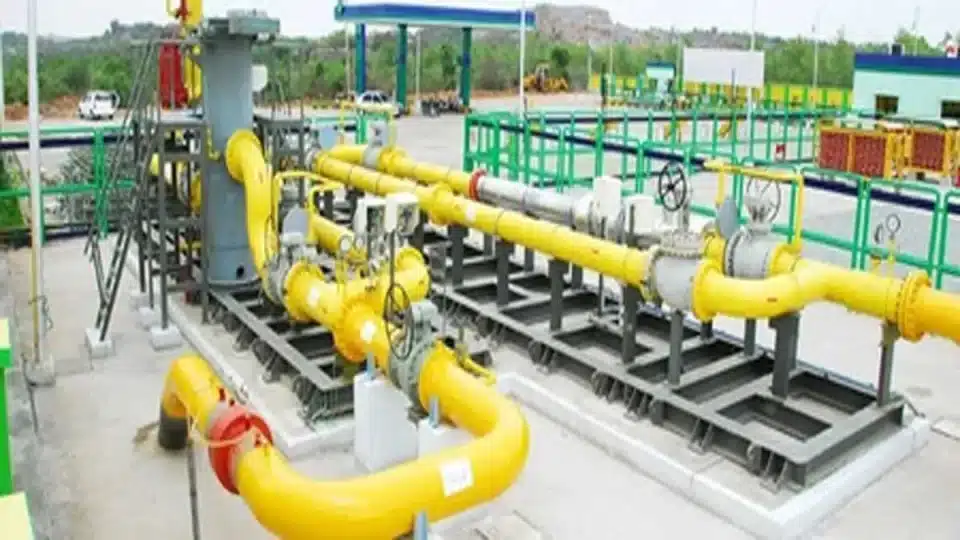
New Delhi, March 31: The Ministry of Petroleum and Natural Gas has accelerated the rollout of piped natural gas (PNG) connections to manage fuel demand amid supply disruptions linked to the Iran War.
Over 3.1 lakh PNG connections across domestic and commercial segments were gasified in March, while an additional 2.7 lakh new connections are in the pipeline, aimed at reducing dependence on LPG.
Despite global supply challenges, LPG distribution remains stable, with over 50 lakh cylinders delivered daily since March 1, and no reported shortages at distributorships. The government has also supplied over 3.2 lakh 5 kg cylinders to migrant workers, supporting vulnerable segments.
Priority allocation continues for essential sectors, with 100% supply ensured for PNG households and CNG transport, while industrial and commercial users are receiving around 80% of their average consumption.
The government has taken multiple steps to ensure uninterrupted fuel supply, including operating refineries at high capacity, maintaining adequate crude inventories, and boosting domestic LPG production. Adequate stocks of petrol and diesel are available nationwide, with all retail fuel outlets functioning normally.
To enhance transparency and prevent diversion, online LPG bookings have risen to 92%, while Delivery Authentication Code (DAC)-based deliveries have increased significantly to 83%.
Commercial LPG supply has been restored to 70% of pre-crisis levels, with priority allocations to key industries such as steel, automobiles, textiles, and chemicals. City gas distribution companies, including Indraprastha Gas Limited, Mahanagar Gas Limited, GAIL Gas Limited, and Bharat Petroleum Corporation Limited, are offering incentives to accelerate PNG adoption.
The Centre has also urged states and union territories to fast-track approvals for expanding city gas distribution networks and support the long-term transition from LPG to PNG.
Additional LNG sourcing and stable supply to fertiliser plants further underline efforts to maintain energy security and ensure continuity across critical sectors.
