


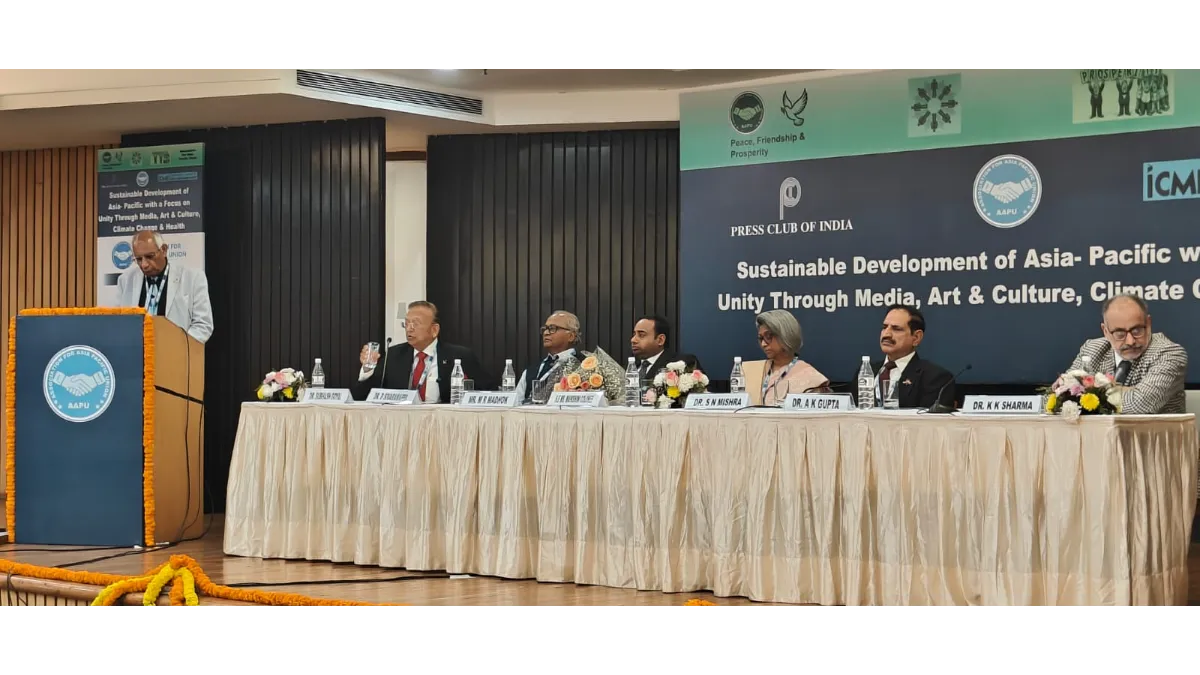
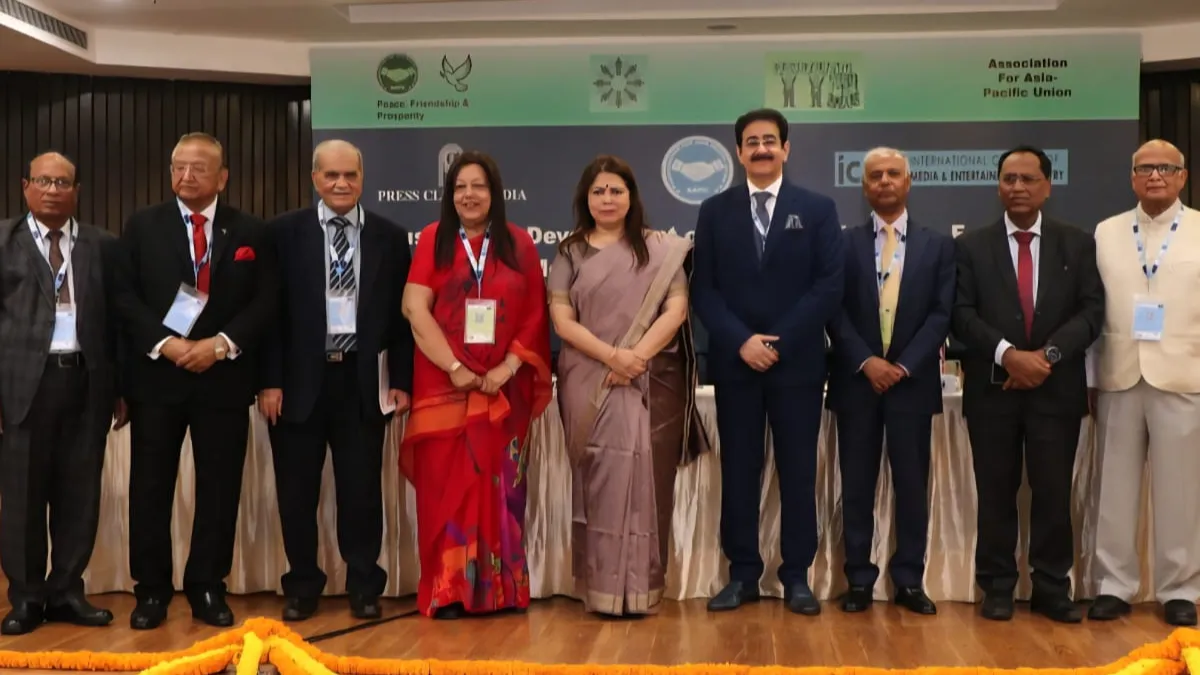
Recently an International Conference on “Sustainable Development and Peace by Unity among Asia Pacific Countries with Focus on Media, Art & Culture and Climate Change and Health” at India International Centre, New Delhi was organised by the Association of Asia Pacific Union (AAPU) on 21st February 2026.
It was attended by dignitaries across the Globe.
Meenakshi Lekhi Former MoS External Affairs was the Chief. Guest. Dr.M. Saiful Haque former Ambassador Bangladesh, H. E. Mahishini Colonne High Commissioner of Sri Lanka, Ambassador K. P. Fabian, Chairman Dr. Sudhir Mishra DRDO, Sh. Manu Shrivastava IAS, Additional Chief Secretary, Government of Madhya Pradesh were Guest of Honors.
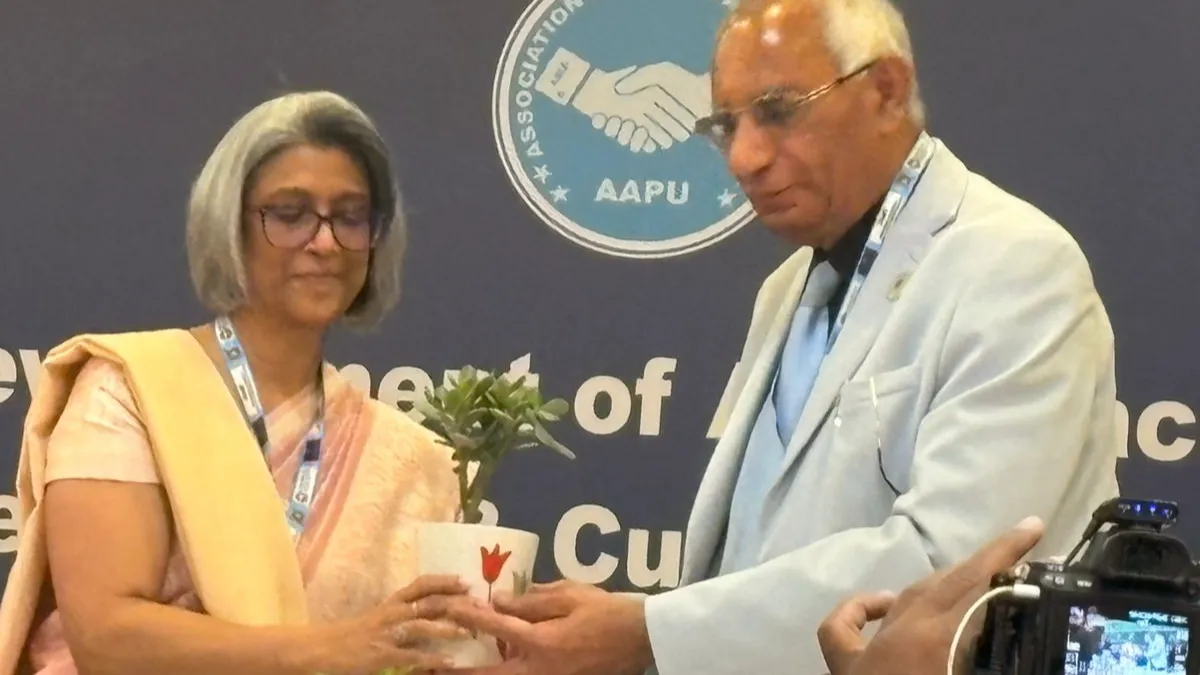
Dr. Y. P. Chawla welcomed all digitally from Australia.
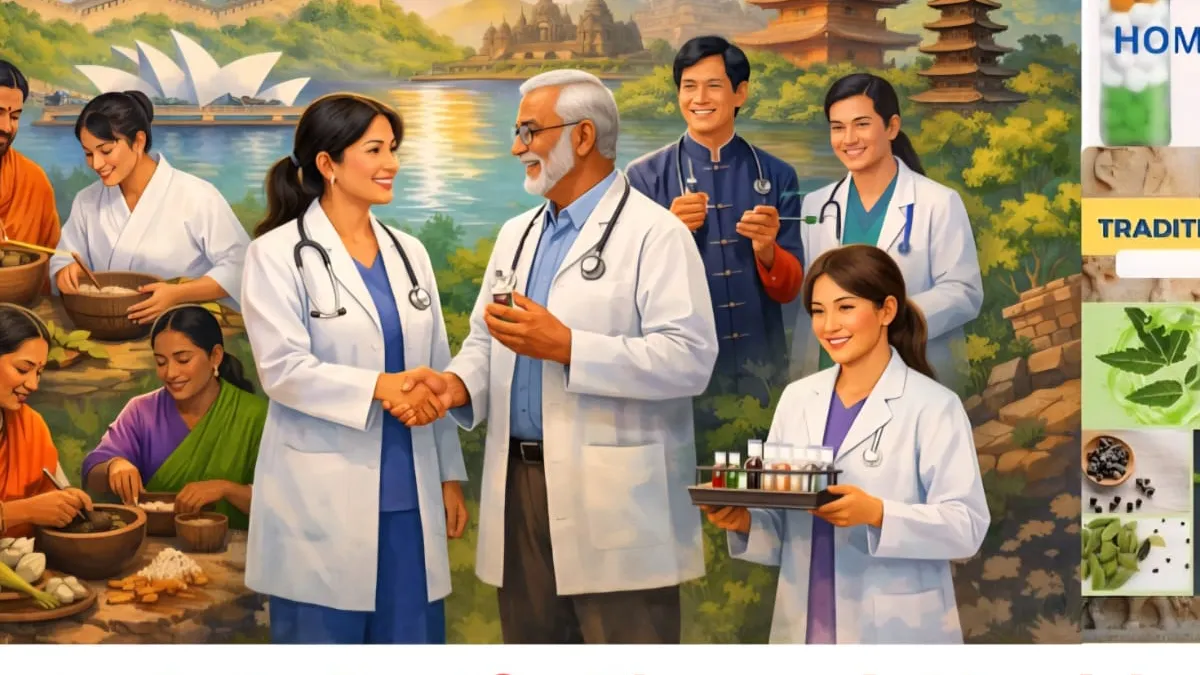
The Asia-Pacific region, rich in cultural diversity and civilizational wisdom, finds a natural unifying force in healthcare, particularly through Traditional Medicine (TM) and Homoeopathy. These systems transcend political boundaries, languages, and economies—connecting people through shared values of holistic health, prevention, compassion, and sustainability.
Civilizational and Knowledge Heritage – Historical & Cultural Backbone
The Asia-Pacific is home to major traditional systems—Ayurveda, Yoga, Siddha, Unani, Traditional Chinese Medicine (TCM), Kampo, Korean Medicine, Jamu, Sowa-Rigpa, and diverse indigenous healing traditions.
Homoeopathy, though of European origin, has been deeply assimilated and institutionalized across Asia-Pacific nations, especially India, Bangladesh, Sri Lanka, Pakistan, Nepal, Australia, and parts of Southeast Asia.
These systems are not “alternatives” here; they are living traditions practiced for centuries and trusted by communities.
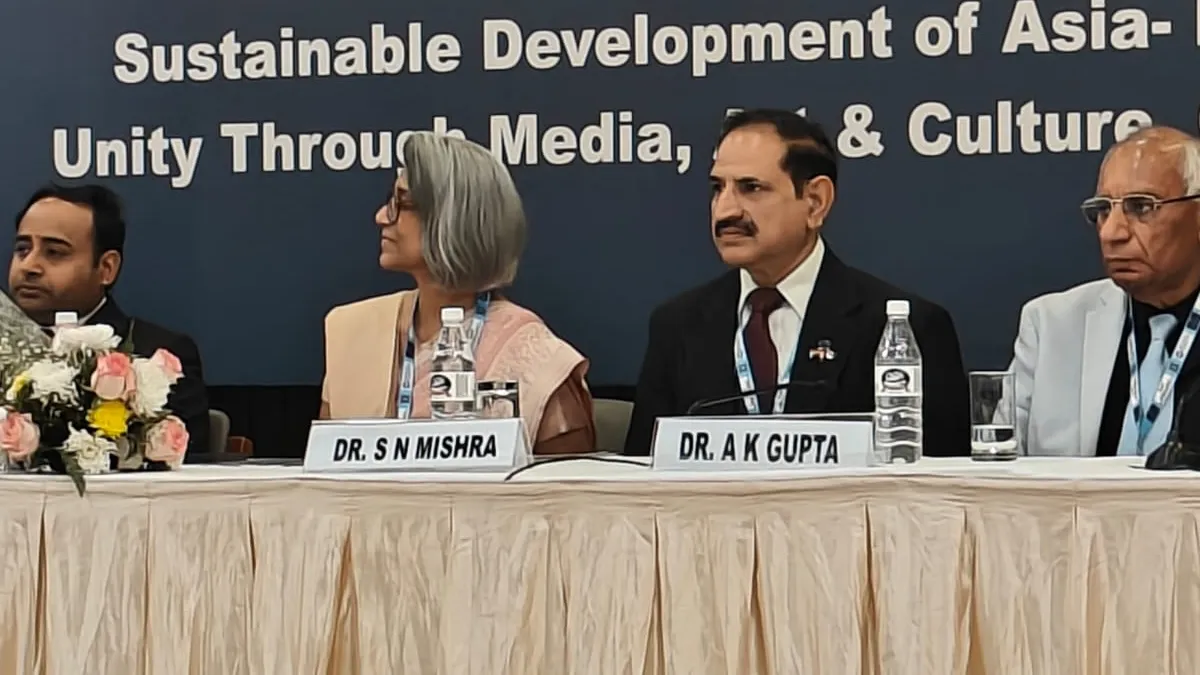
Dr. A. K. Gupta MD. Senior Homoeopathic Consultant, Founder Director AKGsOVIHAMS (Om Vidya Institute of Homoeopathy and Allied Medical Sciences) while addressing the gathering emphasised on Healthcare as a Bridge of Unity Health is a universal human concern, and cooperation in healthcare has historically served as a platform for peace, trust, and collaboration.
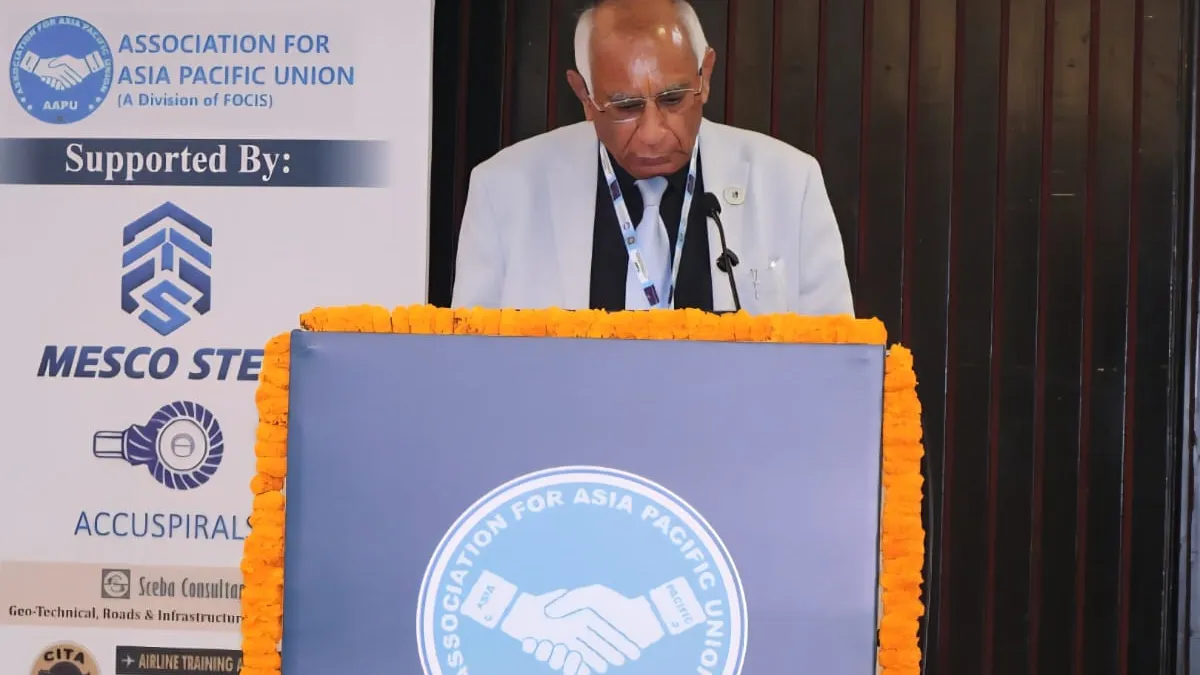
In the Asia-Pacific, Traditional Medicine and Homoeopathy act as people-centric systems, fostering unity at the grassroots level by addressing common health challenges.
- Shared Traditional Wisdom across Asia-Pacific
From Ayurveda, Siddha, Unani, Sowa-Rigpa, Traditional Chinese Medicine, Kampo, Korean Medicine, Jamu, to indigenous healing traditions of Pacific Island nations, the region shares a common philosophy of harmony between body, mind, nature, and society.
These systems create civilizational continuity and mutual respect, reinforcing regional solidarity. - Homoeopathy as a Transnational Connector
Homoeopathy, though originating in Europe, has found its largest acceptance, practice base, and institutional support in the Asia-Pacific region, particularly in South and Southeast Asia.
Its principles of individualization, minimal intervention, safety, and affordability make it a unifying medical language across nations, cultures, and healthcare models. - Strengthening Regional Public Health Together
Traditional Medicine and Homoeopathy contribute significantly to:
Primary healthcare delivery
Management of non-communicable and lifestyle diseases
Mental health, geriatric care, women and child health
Pandemic preparedness and community resilience
Joint Asia-Pacific cooperation enhances health equity and universal health coverage. - Integrative Healthcare as a Model of Collaboration
The Asia-Pacific is emerging as a global leader in integrative healthcare, where conventional medicine works alongside Traditional Medicine and Homoeopathy.
Shared clinical protocols, cross-border research, and academic exchange foster mutual learning and trust among nations. - Education, Regulation & Institutional Support
Many Asia-Pacific nations have formal education systems, regulatory bodies, and research councils for traditional systems and homoeopathy:
In India, the Ministry of AYUSH oversees traditional and homoeopathic education, research, and practice, with statutory councils ensuring standards.
Research institutions like the Central Council for Research in Homoeopathy (CCRH) are engaged in scientific studies to support evidence-building.
Regional collaboration in:
Medical education and training
Research and evidence generation
Pharmacopoeias, quality standards, and safety norms
Promotes scientific credibility and collective advancement, strengthening unity through shared intellectual capital. - Global Collaboration & WHO Engagement
The Asia-Pacific region is active in international health dialogues on TM and Homoeopathy:
WHO’s Global Traditional Medicine Strategy (2025–2034) guides Member States on evidence, safety, and integration of TM into health systems.
High-level WHO summits on traditional medicine, held in collaboration with national governments, emphasize policy, research, and intergovernmental cooperation. - Economic, Environmental & Cultural Bonds
Traditional Medicine and Homoeopathy support:
Herbal, natural product, and wellness industries
Medical and wellness tourism
Biodiversity conservation and sustainable development
This creates economic interdependence and shared responsibility toward nature and indigenous knowledge. - A Unified Voice in Global Health Diplomacy
Through coordinated efforts, the Asia-Pacific region can:
Shape WHO policies on Traditional, Complementary, and Integrative Medicine
Advocate for pluralistic healthcare models globally
Position itself as a moral and cultural leader in humane healthcare
Conclusion
Traditional Medicine in the Asia-Pacific Union is not merely complementary—it is culturally rooted, socially accepted, economically vital, and strategically essential for achieving holistic, inclusive, and sustainable healthcare.
Unity in the Asia-Pacific can be powerfully realized through healthcare cooperation rooted in Traditional Medicine and Homoeopathy. These systems embody the region’s shared philosophy of healing with humanity, offering a path toward inclusive health, mutual respect, and sustainable development.
Dr. Gupta said that he feels very happy that his vision of Integration in Medicine and Healthcare for the Betterment of suffering humanity is being accepted Globally. Which has earned him the title of being the Father of Integration in Medicine and Healthcare.
Conference was addressed by the AAPU president Dr. J. S. Saluja, Dr.Subhash Goyal, Patron Dr. Sandeep Marwah, Dr. B. R. Jain, Dr. S. N. Mishra, Mr. Madhok, Dr. B. Sivarammappa, Dr K. K. Sharma and Mr. Ali Mustafa.
Dr. A. K. Gupta, MD
Homoeopathic Consultant
M – 7011842322
Web – www.ovihams.com
