


Being a missionary of ‘Transforming Education, transforming India’ and a firm believer of the tag line: ‘Padhe Ga India to Badhe Ga India’ that implies that an educated India is the key to being a Developed India, I was overwhelmed when the National Education Policy 2020 (NEP-2020), was announced by the Government of India. It aims to transform the education system and make it more holistic, flexible, and aligned with the needs of the 21st century. It was a much long-awaited policy. But the soon after advent of COVID and its aftermath dented the excitement and impact of the policy. This series of articles is an effort to redeem its full intent even though three and a half years have lapsed.

Here I would like to recap some key highlights from the policy and also make inferences on the practicalities and the gaps that need to be effectively fixed, point by point.
- Foundational Literacy and Numeracy: The policy emphasizes early childhood care and foundational literacy and numeracy as the building blocks for learning. Placing a significant emphasis on early childhood care and foundational literacy and numeracy as the building blocks for learning. This point aims to ensure that every child acquires basic literacy and numeracy skills by the end of Grade 3, which is a critical prerequisite for further learning. These are broadly conceptualized as a child’s ability to read ‘basic’ texts and solve ‘basic’ math problems, such as addition and subtraction. Essentially these skills form the foundation for all future learning, upon which other skills are built.
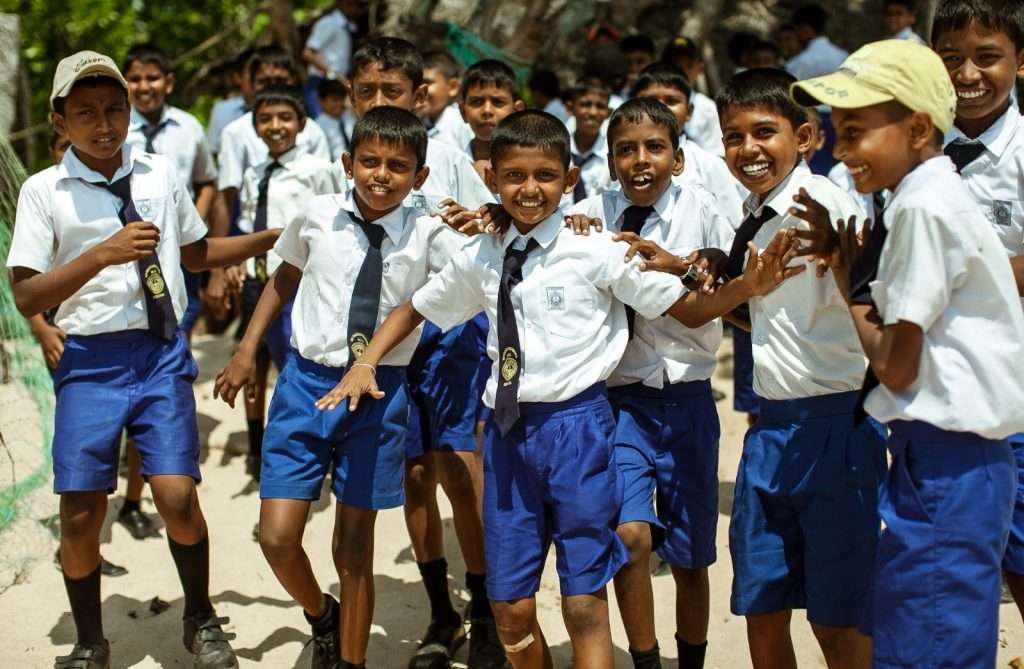
Beyond doubt the specified modules are very essential as these are the basis of any educational process initiation, as they truly represent the stepping stones to learning and are applicable life-long. ‘Building is as solid as its foundation’ and foundational literacy and numeracy as the essentials for learning go hand in hand. Here, the perspective of exploring creativity in an open learning environment is also of prime importance. An environment which gives the child a sense of exploration, fearlessness and enjoyment. This needs to be developed, sustained and maintained at all costs. Foundational literacy and numeracy are crucial elements in the Indian education system, as they empower students with the necessary skills to excel academically and navigate real-life situations confidently.

- Universal Access and Equity: The National Education Policy (NEP) 2020 of India focuses on ensuring universal access to education at all levels, curbing dropout rates, and promoting inclusive education. It places a significant emphasis on Universal Access and Equity in education, with a focus on ensuring that all children and young people have access to quality education, regardless of their background or circumstances. It aims to address the challenges of access, equity, and quality in India’s education system, and to ensure that all students have the opportunity to reach their full potential.
To achieve this goal, a number of initiatives and reforms, such as increasing the Gross Enrollment Ratio in higher education, expanding the capacity of higher education institutions, improving the quality of teaching and learning, promoting research and innovation, and creating a more learner-centric culture in higher education are the fulcrum areas of working. As a propagator of equal opportunities for all like-minded individuals need to whole heartedly support this. But to implement it in letter and spirit, a user friendly and user flexible approach is required. This would not only provide access at all levels, promote inclusivity but also address the issue of alarming drop outs.
Achieving universal access and equity in the Indian education system is a significant challenge, but one that can be addressed through increased investment, curriculum reform, and improved governance and accountability. By taking these steps, India can provide quality education to all of its citizens, regardless of their background or income, and become a leading center of learning and knowledge. It also is an opportunity to go global or collaborate with global stalwarts. No doubt some global collaborations are taking place but still a lot of work needs to be done.
- Holistic Learning: To ensure holistic development in the current Indian education system, several key strategies can be implemented such as propagating Experiential Learning, Promoting Language Learning, Adopting Liberal Arts Education, Embracing Holistic Value-Based Multidisciplinary Education etc. By incorporating these strategies into the current Indian education system, India can pave the way for holistic development among students, preparing them to thrive in a rapidly changing world and contribute meaningfully to society.
The Assessment system also would be required to be reoriented. It should now also focus on holistic development, including cognitive skills and ‘soft skills’ such as critical thinking, cultural awareness, empathy, teamwork, and effective communication. These skills are essential for success in the 21st century and are measured through formative evaluation. The National Education Policy (NEP2020) has stressed on the need for holistic value-based education (HVBE) for teachers, students, other stakeholders, society, nation, and the world at large. The aim is to inculcate few Common Graduate Attributes enhancing universal human values like Holistic vision of life, Socially responsible behavior, Environmentally responsible work, Ethical human conduct, appreciation and aspirations for excellence and gratitude for all. But again, the essence should be on delivery and methodology. The curriculum and pedagogy should be holistic, integrated, enjoyable, and engaging yet outcome based.
This is the first of the three-article series based on Indian Education System and NEP 2020. The next two would carry some more reflections. Join hands to make our nation aware, agile and skill educated. See you soon with next thought paper!
About Author:
Ashok kumar Mittal: A distinguished Member of Parliament in India’s Upper House (Rajya Sabha), stands as a stalwart figure at the intersection of legislative governance and transformative education. His illustrious journey is marked by a commitment to ethical principles and a visionary approach that has touched the lives of countless individuals. Notably, Dr. Mittal holds the esteemed position of Founder Chancellor at Lovely Professional University. His journey unfolds as a testament to his unwavering dedication to the betterment of society.
A law graduate from Guru Nanak Dev University, Dr. Mittal’s academic prowess is further underscored by a Doctorate ‘Honoris Causa’ from Atal Bihari Vajpayee University (ABVU), Chhattisgarh.
Beyond the corridors of power, Dr. Mittal’s impact is measured not just in policies enacted but in the tangible difference he has made in the lives of countless people. His leadership philosophy, rooted in ethical principles, resonates in every aspect of his work, reinforcing the idea that leadership is not just about position but about making a positive and lasting impact on society.
