

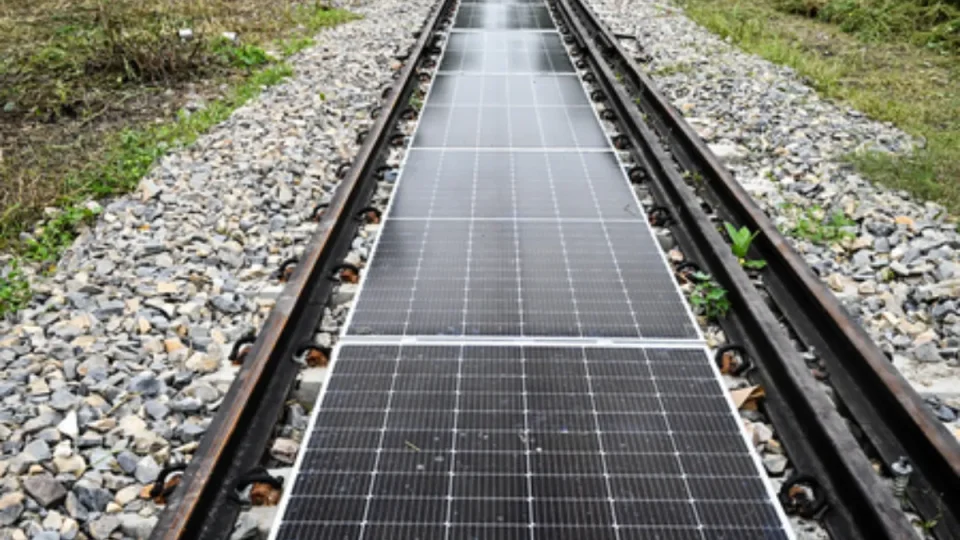
New Delhi, Feb 28: India’s energy landscape is undergoing a structural transformation, with diversified sources — from utility-scale solar parks and rooftop installations to green hydrogen pilots, nuclear expansion and digital grid reforms — reshaping the country’s power ecosystem.
According to an official factsheet, improved electricity reliability remains a key outcome of ongoing reforms. Average rural power availability has risen from 12.5 hours in 2014 to 22.6 hours, while urban supply has increased to 23.4 hours from 22.1 hours during the same period.
India, now among the world’s top three energy consumers, continues to witness rising demand. Total electricity generation increased from 1,739.09 Billion Units (BU) in FY24 to 1,829.69 BU in FY25, marking a 5.21% growth. The generation target for FY26 has been set at 2,000.4 BU.
Policy support remains central to the transition. Key initiatives include the National Green Hydrogen Mission, reforms under the SHANTI Act to modernise nuclear energy governance, distribution sector strengthening, digital metering, and aggressive renewable capacity expansion. The long-term objective aligns with India’s commitment to achieve Net Zero emissions by 2070.
Related posts :
 Minister Manohar Lal reviews Power and Urban Development Sector for Jammu & Kashmir
 Minister Manohar Lal Visits Gorakhpur Haryana Anu Vidyut Pariyojana
 Yoga Connect 2025: A Hybrid Global Summit on ‘Yoga for One Earth, One Health’ Inaugurated in Delhi
 India on track to become world’s third-largest economy by 2029: Sarbananda Sonowal
 India’s wind energy capacity rises to 51.5 GW: Pralhad Joshi
 Manohar Lal reviews progress of strategic nuclear power project
