

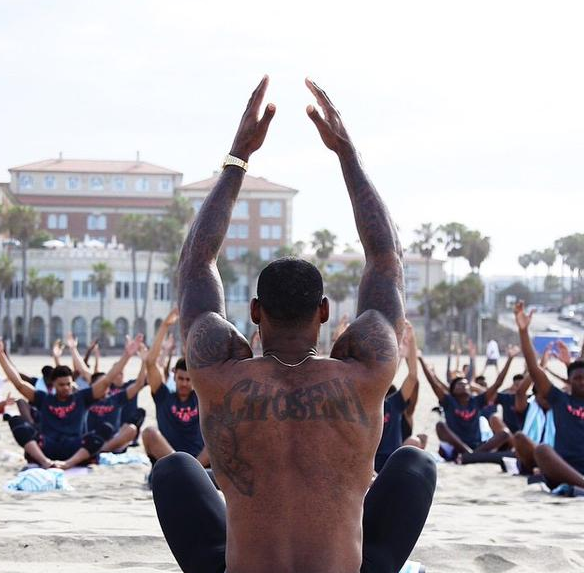
The physical demands of sports often lead to injuries among professional athletes. Thankfully, they have discovered a valuable aid in their recovery process: yoga. Grounded in traditions of mindfulness and physical discipline, yoga has emerged as a crucial tool in the rehabilitation journey. For punters, the injuries make a big change in placing bets, even if they found such a comfortable software from trusted bookie, as 10cric apk download, because the absence of some athletes can significantly affect the outcome.This article explores how yoga plays a vital role in facilitating injury recovery for professional athletes,
assisting them in regaining strength and vitality. By examining the benefits and practices of yoga, we shed light on its significance in supporting athletes’ overall well-being, physically and mentally, throughout their recovery.
1. The Connection between Mind and Body: Harnessing Healing Potential
Yoga, with its holistic approach to well-being, recognizes the intrinsic link between the mind and body. This connection becomes particularly important during the rehabilitation process. When athletes sustain injuries, both their physical and mental well-being are impacted. Yoga provides a unique avenue to address these aspects simultaneously.
a. Cultivating Mental Resilience and Emotional Healing
The journey of injury recovery presents significant mental and emotional challenges. Yoga places strong emphasis on mindfulness and meditation, enabling athletes to develop mental resilience, manage stress effectively, and alleviate anxiety associated with their injuries. By incorporating yoga into their routine, athletes can foster a positive mindset, enhance emotional well-being, and maintain focus throughout their recovery journey.
b. Physical Rehabilitation and Strength Building
Yoga’s physical postures, known as asanas, offer a gentle yet effective approach to rehabilitation. Athletes can engage in modified yoga poses that target specific areas affected by injury, promoting healing and rebuilding strength. With guidance from skilled instructors, athletes can gradually regain mobility, improve flexibility, and strengthen supporting muscles, ultimately expediting the recovery process.
2. Enhanced Flexibility and Freedom of Movement
A significant advantage of incorporating yoga into the process of recovering from injuries is its capacity to improve flexibility and freedom of movement. In the event of an injury, the body instinctively adjusts to safeguard the affected region. Unfortunately, such adjustments can create imbalances and restrict mobility. However, yoga’s emphasis on stretching and lengthening muscles aids in reestablishing correct alignment, promoting joint well-being, and boosting overall flexibility.
a. Rehabilitation through Gentle Movement
Yoga offers a variety of gentle movements and poses that allow athletes to gradually reintroduce controlled motion to the injured area. From modified stretches to supported poses, yoga enables athletes to rebuild strength and flexibility without placing excessive strain on the injured tissues. This gentle approach helps prevent reinjury while promoting steady progress.
b. Targeted Therapy for Specific Injuries
Different injuries require specific rehabilitation protocols. Yoga can be tailored to address the unique needs of each athlete. Whether it’s a sprained ankle, a shoulder injury, or a back strain, skilled yoga instructors can design sequences that target the affected area, incorporating stretches and poses that aid in recovery and improve mobility.
3. Balancing Strength and Stability
Injury recovery involves not only rebuilding strength but also reestablishing stability and balance. Yoga offers a comprehensive approach that addresses these crucial aspects of rehabilitation.
a. Core Stability and Injury Prevention
A strong core is essential for athletic performance and injury prevention. Yoga incorporates poses that engage the core muscles, promoting stability and balance throughout the body. By strengthening the core, athletes can reduce the risk of future injuries and provide a solid foundation for their recovery.
b. Proprioception and Body Awareness
Injury recovery requires retraining the body’s proprioceptive abilities – the sense of position and movement in space. Yoga helps athletes develop heightened body awareness through mindful movements and precise alignment cues. This enhanced proprioception aids in regaining balance, coordination, and control, which are essential elements in preventing further injury.
4. Mental Restoration and Overall Well-being
Injury recovery can take a toll on mental well-being, and maintaining overall well-being is crucial during this process. Yoga’s holistic approach offers numerous benefits beyond physical rehabilitation.
a. Stress Reduction and Emotional Balance
The stress associated with injuries can impede the recovery process. Yoga’s focus on deep breathing, relaxation techniques, and meditation helps reduce stress levels and promote emotional balance. By incorporating these practices into their recovery routine, athletes can alleviate anxiety, improve sleep quality, and cultivate a positive outlook.
b. Patience, Acceptance, and Mindfulness
Recovering from an injury requires patience and acceptance of the healing process’s timeline. Yoga encourages athletes to embrace the present moment, accept their current physical state, and work mindfully towards progress. These valuable lessons promote mental resilience, self-compassion, and a healthier approach to the recovery journey.
5. Case Studies: Success Stories of Athletes
Numerous professional athletes have embraced Indian practices and experienced remarkable improvements in their post-game recovery. For example, NBA superstar LeBron James has attributed his longevity and ability to recover quickly to his regular practice of yoga and meditation. Tennis champion Serena Williams has incorporated Ayurvedic principles into her recovery routine, highlighting the positive impact on her physical and mental well-being. These success stories serve as compelling evidence of the effectiveness of Indian practices in the world of professional sports.
Final Thoughts
The inclusion of yoga in the rehabilitation process has had a profound impact on professional athletes. By fostering the connection between the mind and body, improving flexibility, promoting stability, and enhancing overall wellness, yoga presents a holistic approach to recovering from injuries. As a growing number of athletes acknowledge the advantages of this age-old discipline, yoga is fundamentally changing the landscape of injury rehabilitation, empowering athletes to regain strength in both their physical and mental capacities. With its remarkable ability to facilitate healing and renewal, yoga has rightfully become an indispensable asset in the path from recovery to rejuvenation for professional athletes.
Related posts :
 Income Tax Dept Identifies Ineligible Deduction Claims in Tax Returns
 PM Modi Welcomes World Leaders and Innovators to India AI Impact Summit, Calls for Global AI Collaboration
 ‘Both countries enjoy warm and historic special ties’: MEA on PM Modi’s historic state visit to Ghana
 Minister Manohar Lal Visits Gorakhpur Haryana Anu Vidyut Pariyojana
 Hardeep Puri Declares the Beginning of India’s Hydrogen Era
 Envoys of USA, Austria and Trinidad and Tobago presents credentials to President of India
